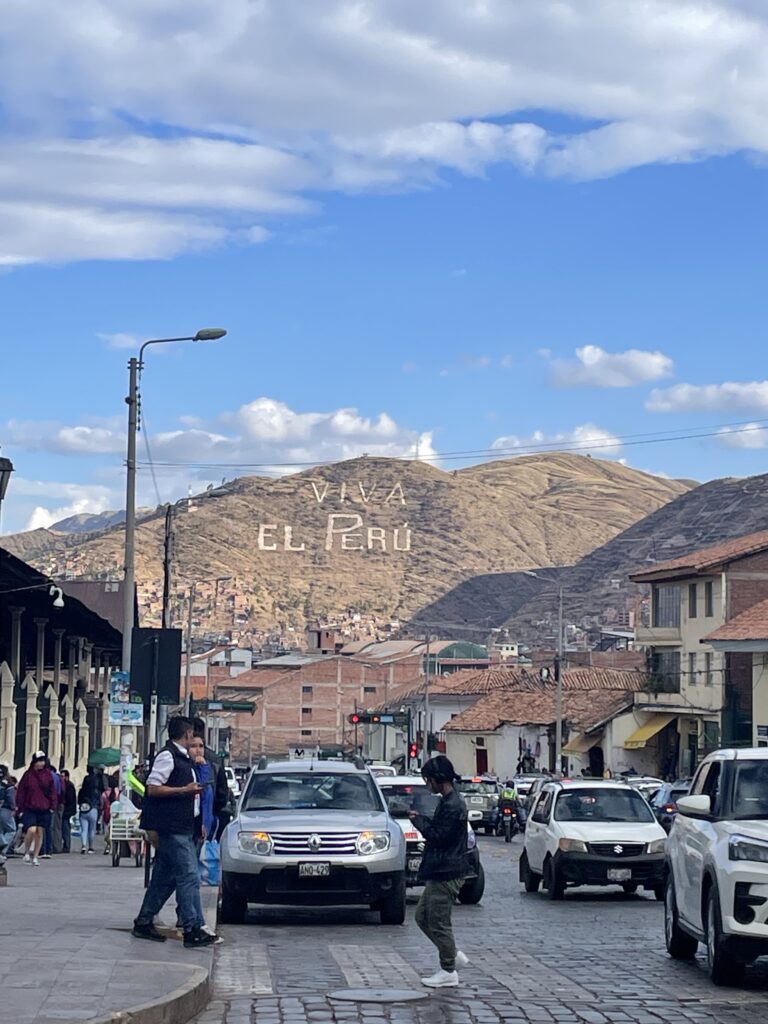
I went to Cusco, Peru.
Not for a holiday—but for something deeper.
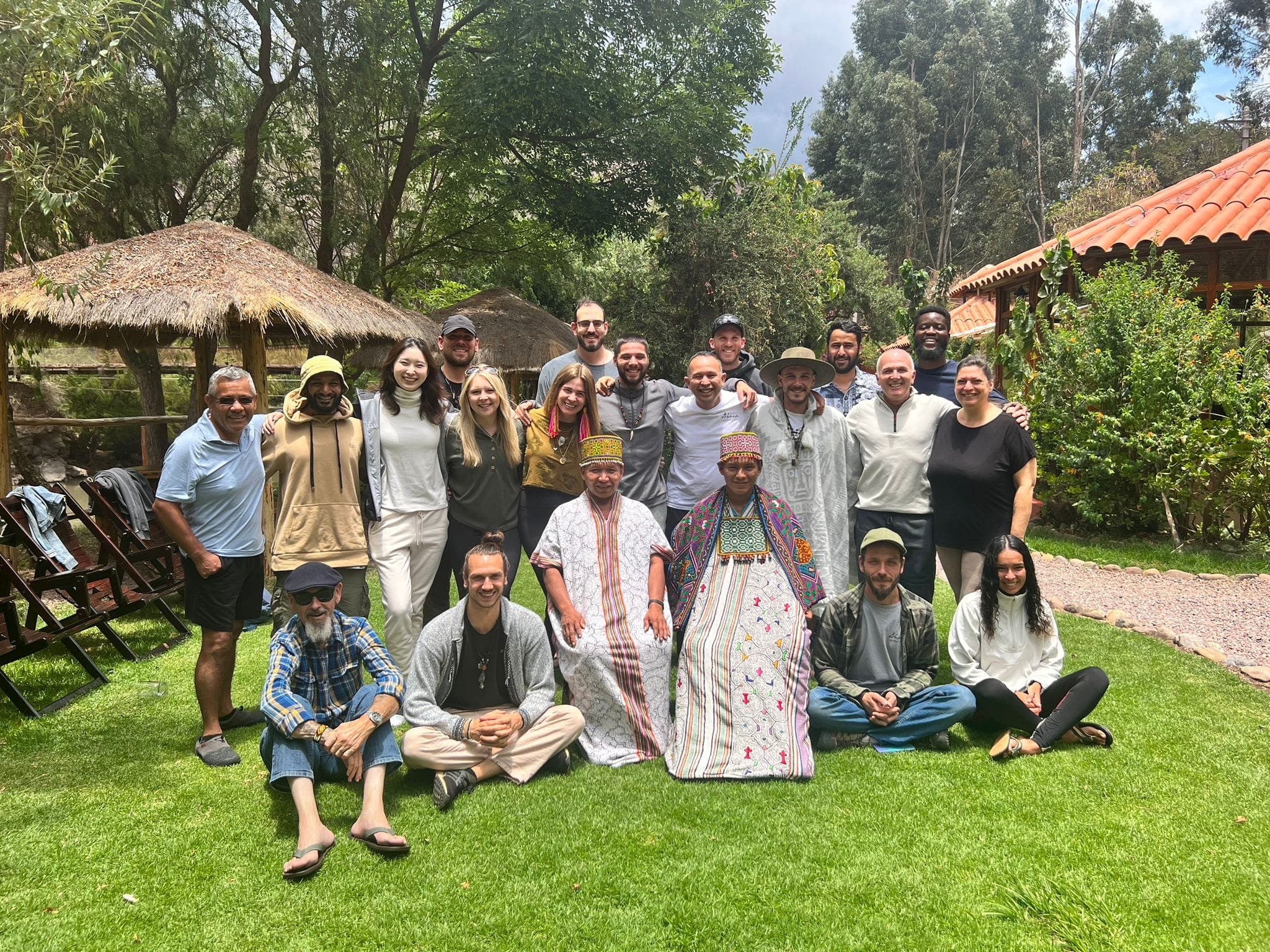
I travelled to the Sacred Valley to spend time at Arkana, a retreat known for working with traditional plant medicine and experienced Shipibo shamans. At that point in my life, I wasn’t looking for a quick fix. I was looking for perspective, clarity, and—if I’m honest—some kind of reset.
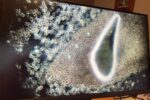
“I connected with alien intelligence outside of the veil and Had a Praying Mantis being inspect my organs, and then continued with asking permission to give me a chiropractic adjustment.”
In 2023, after years of dealing with long COVID and the aftermath of everything my body and mind had been through, I made a decision that felt both uncertain and necessary.
Arriving in the Sacred Valley
Cusco itself already feels different. The altitude, the history, the energy—it forces you to slow down whether you want to or not.
From there, heading into the Sacred Valley felt like stepping further away from normal life. The landscape opens up, the pace drops, and you begin to disconnect from the constant noise most of us live in.
At Arkana, everything is intentional. The setting, the people, the preparation—it’s all designed to create space for deep internal work.
The Ceremonies
Over my time there, I participated in both ayahuasca and Bufo Alvarius ceremonies, guided by Shipibo shamans who have spent their lives working with these medicines.
These weren’t casual experiences.
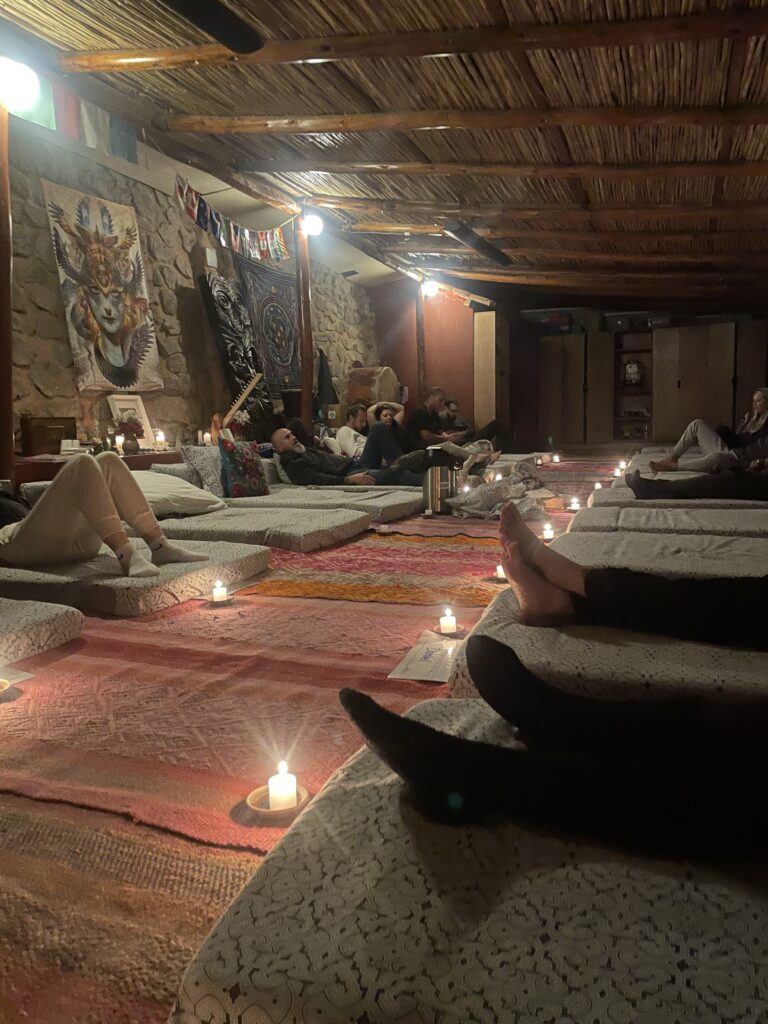
They were intense, confronting, and at times overwhelming.
Ayahuasca, in particular, has a way of bringing things to the surface—physically, emotionally, mentally. You don’t really control the experience. You go where it takes you.
And yes—there were moments where it felt like I absolutely tripped beyond anything I thought was possible.
But underneath that intensity, there was structure. There was guidance. And there was purpose.
The Bufo ceremonies were different again—shorter, more explosive, and in some ways harder to put into words. It’s the kind of experience that doesn’t fit neatly into language. It’s less about visuals or thoughts, and more about being completely taken out of your usual sense of self.
What It Gave Me
It’s easy to focus on the “trip” side of these experiences, but that’s not really the point.
What stayed with me wasn’t just what I saw or felt during ceremonies—it was what shifted afterward.
- A different relationship with stress and fear
- More awareness of how my body was holding tension
- A sense of perspective that had been missing for years
- Moments of clarity around what actually matters
After dealing with long-term illness, your world can become very small. These experiences—while intense—helped break that pattern. They created space again.
Not in a “everything is fixed overnight” way, but in a “something has changed, and I can build from here” way.
The People
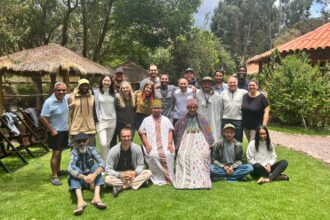
One of the most unexpected parts of the experience was the people I met.
When you bring together a group of individuals all going through something—whether it’s healing, searching, or just trying to understand themselves better—there’s a kind of connection that forms quickly.
We came from different countries, different backgrounds, different reasons for being there.
But going through those ceremonies together created a shared understanding that’s hard to replicate anywhere else.
Some of those connections have stuck with me long after leaving Peru.

Integration: Where the Real Work Happens
The ceremonies themselves are only one part of the process.
What really matters is what happens after—how you integrate what you’ve experienced into your everyday life.
For me, that meant:
- Slowing down more intentionally
- Paying attention to my nervous system
- Being more aware of patterns in my thinking and behaviour
- Continuing to support my recovery in a grounded, consistent way
There’s no shortcut here. The experience can open a door—but you still have to walk through it.
Looking Back
Going to Peru was one of the most intense and memorable experiences of my life.
It wasn’t always comfortable. It wasn’t always clear. And it definitely wasn’t something I’d describe as easy.
But it was meaningful.
After years of feeling stuck in a cycle of symptoms and limitations, it gave me a different lens to see things through—and that alone made it worthwhile.
Final Thoughts
Plant medicine isn’t something to take lightly. It’s powerful, and it demands respect—for the process, the environment, and the people guiding it.
For me, it became part of a much bigger journey—one that includes physical recovery, mental resilience, and learning how to live fully again after a long period of illness.
It didn’t solve everything.
But it shifted something important.
And sometimes, that’s exactly what you need.